One of these costs seven times the other. They are not competing products, and buying the wrong one is the most expensive mistake available here.
SMBy Scooter M.Published October 3, 2026Prices verified October 3, 2026
The short answer
If the complaint is that your calls sound echoey, treat the room - 600 dollars and an afternoon. If the complaint is that your family can hear your calls and you can hear them, treat the room anyway and then consider the pod, because treatment will not fix it and nothing else will. A pod blocks sound passing between spaces. Panels absorb sound within a space. They are not alternatives; they are answers to different questions, and the 3,400-dollar gap between them is the price of asking the right one.
The two-minute diagnosis
01Clap once, hard, in the middle of the room. A ring or flutter that hangs for a fraction of a second means reflective surfaces. That is an absorption problem and panels fix it.
02Record 30 seconds of yourself talking, from where you sit, on your phone. Play it back on headphones. Sounding hollow, distant or bathroom-like is reflections reaching the microphone, which is an absorption problem.
03Sit in silence for two minutes with the door shut and list what you hear. Everything on that list is a blocking problem. No panel will touch any of it.
04Ask someone to stand outside the shut door while you talk normally. If they can follow the conversation, your door is the weak point and that is a blocking problem too.
Almost everyone has some of both. The order of operations is what saves money: seal the door, then absorb, then consider an enclosure. Doing it the other way round is how people spend 4,000 dollars solving a 17-dollar problem.
Side by side
Office pod against room treatment
Office pod
Treating the room
Typical outlay
3,200 to 5,400 dollars, plus a chair
150 to 650 dollars
What it does
Blocks sound passing in and out. The only consumer product that genuinely does
Absorbs reflections within the room
Fixes echo on calls
Yes, by removing you from the room entirely
Yes, directly and completely
Stops the household hearing you
Substantially. Published RW 33 to 35 dB, which is a large reduction and not silence
No. Not at all
Stops you hearing the household
Substantially
No
Floor space taken
11 to 30 sq ft
None. It is on the walls
Install
Truck delivery, 70 lb panels, 1 to 2 hours for two people
An afternoon with a drill, or an hour with adhesive
Reversible
Yes, but it is a 600 to 900 lb object to move
Yes, trivially, if adhesive
Works in a rental
Yes, but it is a large thing to move out
Yes, with adhesive panels
Running cost
Lighting and ventilation, continuously while in use
None
Pod figures from the published specifications in our set, 2026-10-03. Treatment figures from the panel ranking on best acoustic panels for a home office.
The case for treating the room first, even if you want the pod
This is the argument we would make to someone with the budget for both.
Treatment is cheap enough to be a test. Four hundred dollars of panels and a door sweep tells you, within a week, how much of your problem was reflections and how much was intrusion. If the answer is mostly reflections, you have saved 3,400 dollars. If it is mostly intrusion, you have lost nothing, because a pod sits inside a room and a treated room around a pod is better than an untreated one.
The pod does not fix the room. The moment you step out of it, the room sounds exactly as it did. If you take some calls at the desk and some in the pod, the desk calls are unchanged.
The door sweep is 17 dollars. Whatever else you do, do this. A typical interior door has 20 square inches of straight-through gap at the bottom. How to soundproof a home office door covers the whole door and the sweep is the first five minutes of it.
The hybrid that works
For a lot of home offices the right answer is neither extreme.
Door sweep, about 17 dollars. Non-negotiable first step.
Wall panels at the first reflection points, 250 to 400 dollars for six good ones. Fixes how you sound on calls.
An acoustic partition if you share the room, 320 to 450 dollars. Interrupts the direct path between two desks.
That is about 700 dollars, takes an afternoon, needs no truck delivery, and addresses everything except someone genuinely overhearing a confidential call. Whether that last item is worth another 3,500 dollars is a question only you can answer, and we would rather you answered it after the 700 than before.
#
Product
Best for
Score
Price
01
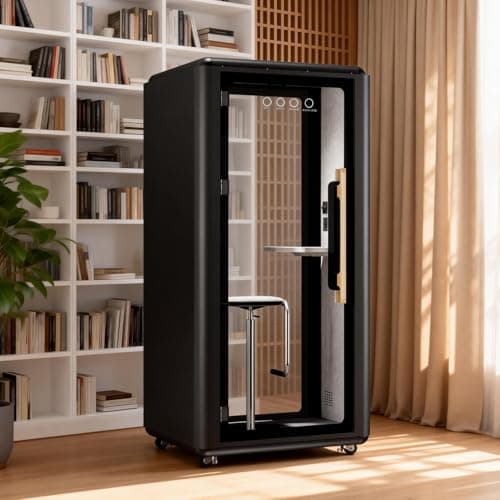
VESTAEL VST-01 Soundproof Office Pod BoothThe only pod here that publishes BOTH its external and its internal dimensions, which is the single most useful fact in this category.
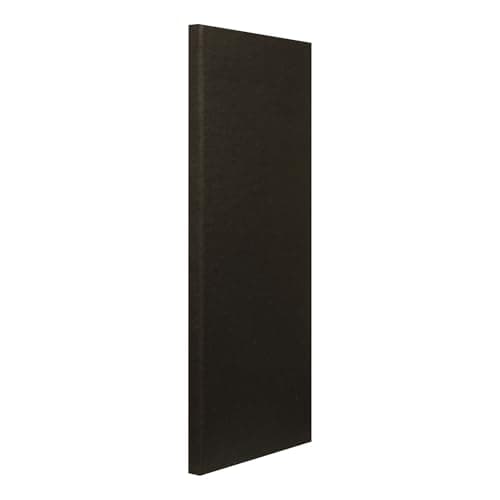
ATS Acoustics Beveled Edge Panel, 24 x 48 x 2 inThe same NRC 1.0 mineral-wool build as the Sona panel in jute burlap with a beveled edge, for about 16 dollars less.
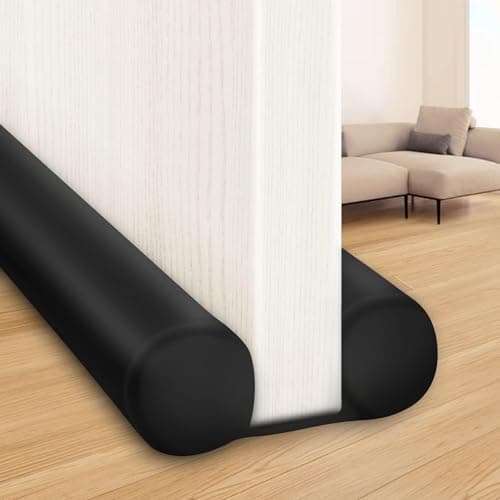
MAXTID Door Draft Stopper, 36 in, 2 in Diameter FoamA 2 in diameter foam sweep that covers a 0.5 to 1.7 in door gap and moves with the door. Seventeen dollars, and the highest-value item on the site.
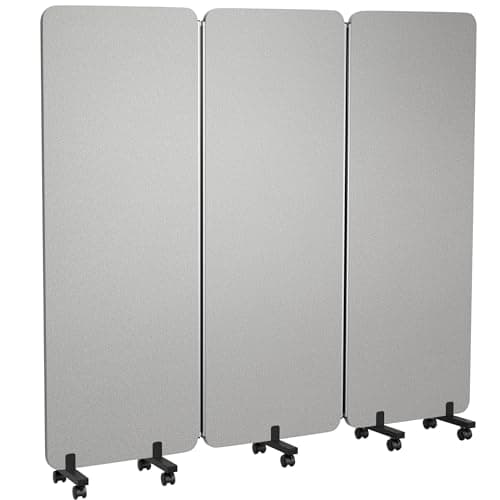
KERRAM 3-Panel Foldable Office Partition with WheelsNames its core material as 100% high-density polyester fiber, states a 1.13 in panel thickness, folds flat, and runs on 10 self-locking casters.
Scores are ours, from the published rubric on our methodology page. They are editorial judgments about published specifications, not test results — we have not handled these units.
01/VESTAEL
VST-01 Soundproof Office Pod Booth
Best published interior dimensions
8.8/ 10
The only pod here that publishes BOTH its external and its internal dimensions, which is the single most useful fact in this category.
The only pod here that publishes BOTH its external and its internal dimensions, which is the single most useful fact in this category.
Published specification
External size
42.32 x 38.97 x 90.55 in
VESTAEL published specification
Interior size
37.28 x 37.71 x 78.74 in
VESTAEL published specification
Wall thickness implied
About 2.5 in per side, from the external minus internal figures
Our arithmetic from the two published dimension sets
Footprint
About 11.5 sq ft
Our arithmetic from the published external size
Weight
573 lb
VESTAEL published specification
Rating
RW 35 dB (plus/minus 5). ISO 717-1 building-element rating; no ISO 23351-1 figure published
VESTAEL published specification, with our note on the standard
Lighting
Adjustable 4500K LED
VESTAEL published specification
Ventilation
Dual silent fan system plus natural air vent
VESTAEL published specification
Fit-out
Two AC sockets with USB and USB-C, cable passthrough, built-in desk, skylight
VESTAEL published specification
Assembly
1 to 2 hours for two people; each panel about 70 lb
VESTAEL published specification
What the specs are good for
Publishes interior dimensions. 37.28 x 37.71 x 78.74 in is a number you can measure a chair and a monitor against before you spend 4,300 dollars
Publishing both dimension sets also lets you derive the wall thickness, which is the only cross-check available on an acoustic claim in this category
Also publishes the per-panel weight at about 70 lb, so you know whether two people can carry it upstairs
Dual fans plus a passive vent, and a skylight for daylight
USB-C, cable passthrough and a built-in desk included
What they are not
The "blocks up to 95% of noise" line in the listing is a marketing sentence sitting next to a real RW figure, and the two are not the same kind of statement
RW 35 plus/minus 5 is a 10 dB spread, which is a wide tolerance on the headline number
573 lb in panels of about 70 lb each: this is a two-person job and a careful route plan
Truck delivery with a required recipient
Skip this if
Skip this if you cannot get 70 lb panels to where the pod will live. The assembly is manageable; the carry is what catches people, and VESTAEL deserves credit for publishing the number that tells you.
Who it is for. Anyone who wants to check the thing will actually fit, and fit around them, before buying. This is the pod we would start a shortlist with.
The same NRC 1.0 mineral-wool build as the Sona panel in jute burlap with a beveled edge, for about 16 dollars less.
The same NRC 1.0 mineral-wool build as the Sona panel in jute burlap with a beveled edge, for about 16 dollars less.
Published specification
Panel size
24 x 48 x 2 in
ATS Acoustics published specification
Coverage per panel
8 sq ft
Our arithmetic from the published panel size
NRC
1.0 (publisher states out of 1)
ATS Acoustics published specification
Core
Mineral wool, solid wood internal frame, full wood back
ATS Acoustics published specification
Fabric
100% jute burlap
ATS Acoustics published specification
Weight
8.25 lb
Listing published specification
What the specs are good for
Same published NRC 1.0 and same mineral wool core as the Sona panel, for less money
Beveled edge reads as a deliberate architectural element rather than a studio accessory
Full wood back means it sits flat against drywall without bowing
What they are not
Burlap is a coarser, more rustic texture than the Sona fabric and shows dust
The listing does not restate the ASTM E84 fire rating that the Sona panel carries
Still a single panel per purchase
Skip this if
Skip this if the room is a living space where the panel has to look soft and finished. Burlap looks like what it is, and in a shared room that reads as equipment.
Who it is for. Anyone who wants the measured build and does not care that the fabric is agricultural.
A 2 in diameter foam sweep that covers a 0.5 to 1.7 in door gap and moves with the door. Seventeen dollars, and the highest-value item on the site.
A 2 in diameter foam sweep that covers a 0.5 to 1.7 in door gap and moves with the door. Seventeen dollars, and the highest-value item on the site.
Published specification
Length
36 in; trimmable to 30, 32 or 34 in
MAXTID published specification
Foam diameter
2 in
MAXTID published specification
Gap coverage
0.5 to 1.7 in
MAXTID published specification
Weight
0.65 lb
Listing published specification
Fitting
Slides under the door and moves with it; no adhesive, no damage
MAXTID published specification
Not for
Exterior doors with a threshold, per the manufacturer
MAXTID published specification
What the specs are good for
Publishes the gap range it covers at 0.5 to 1.7 in, which is the only spec that matters and which most door sweeps omit entirely
A 2 in foam diameter, which MAXTID correctly points out is larger than most, and diameter is what closes a big gap
No adhesive: it slides on and comes off, which makes it the one soundproofing product a renter can fit without thought
Trimmable to four common door widths
Tells you plainly it is not for exterior doors with a threshold, rather than overclaiming
What they are not
A door gap is a leak, not the whole wall. Sealing it reduces what comes under the door and does nothing about what comes through it
Foam compresses over time and will need replacing
0.65 lb of foam on a door that opens 40 times a day will shift and need nudging back
Skip this if
Skip this if your door has no visible gap at the bottom. Look along the floor line with a light on the other side first; if there is no light, there is no leak to seal.
Who it is for. Everyone with a home office behind a normal interior door. At 17 dollars it is the first thing we would buy for noise, before any panel.
Names its core material as 100% high-density polyester fiber, states a 1.13 in panel thickness, folds flat, and runs on 10 self-locking casters.
Names its core material as 100% high-density polyester fiber, states a 1.13 in panel thickness, folds flat, and runs on 10 self-locking casters.
Published specification
Overall size
71 in wide x 66 in high
KERRAM published specification
Panel thickness
1.13 in
KERRAM published specification
Core
100% high-density polyester fiber, fabric outer
KERRAM published specification
Frame
Aluminum
KERRAM published specification
Casters
10 self-locking swivel casters
KERRAM published specification
Assembly
3 to 5 minutes; casters only, no panel assembly
KERRAM published specification
Absorption
Not published as a figure. The core material and thickness are published, the NRC is not
Absence confirmed against the published specification
What the specs are good for
States a panel thickness AND a core material, which together are the two facts that decide whether a partition does anything acoustically
1.13 in of high-density polyester is a genuine absorber, unlike fabric on a steel frame
Folds completely flat for storage, which no other acoustic partition here does
Aluminum frame keeps the weight down without the flex of a thin steel tube
Ten self-locking casters and a 3 to 5 minute setup
What they are not
No NRC or absorption coefficient published, so the thickness and material are the only evidence
380 dollars for 32 sq ft of partition
Only 20 units showed in stock at the time of writing, so availability is thin
Skip this if
Skip this if you need the partition to block sound rather than absorb it. 1.13 in of polyester fiber reduces reflections and speech spill; it is not a wall and it will not stop a conversation being audible on the other side.
Who it is for. Someone in a shared room who needs the calls to stop bouncing and the partition to disappear into a cupboard at weekends.
Will acoustic panels stop my family hearing my calls?+
No. Panels absorb sound inside a room and have essentially no mass, so they cannot block sound passing through a wall or a door. If the requirement is that a conversation is not followable from outside, the only consumer product that delivers it is an enclosure.
Is an office pod worth 4,000 dollars?+
If your actual complaint is intrusion in both directions and you have already sealed the door and treated the room, yes: nothing else does it. If your complaint is that calls sound echoey, no: 600 dollars of panels fixes that completely and the pod is solving a problem you do not have.
What should I try before buying a pod?+
A door sweep at about 17 dollars, then 48 to 84 sq ft of wall panels at 250 to 600. That combination takes an afternoon, costs under 700 dollars, and tells you within a week how much of the problem was reflections rather than intrusion.
Does a pod make the rest of the room quieter?+
No. A pod is an enclosure you step into; the room outside it is unchanged. If you take some calls at the desk, those calls sound exactly as they did. That is an argument for treating the room whether or not you also buy a pod.
Can I put acoustic panels inside a pod?+
The pods here already have acoustic lining as part of their construction, and the interiors are small enough that additional absorption risks making the space feel oppressive. Spend the money on the room outside instead.
Sources
Where these numbers came from
We have not handled any of these products. Every figure on this page is either the manufacturer's own published specification, named as such, or our arithmetic from those figures, shown so you can check it. Prices come from Amazon through our price layer and carry the date they were verified.
Amazon product listings, retrieved 2026-10-03
Published specifications, dimensions, materials and manufacturer claims were read from each product's own listing data. Prices and availability refresh daily and carry their verification date on the page.
The full published method, and an explicit statement of what a specs-only approach cannot tell you.
ISO 717-1 — Rating of sound insulation in buildings and of building elements, airborne sound insulation
The standard behind the RW figures most office pods publish. RW is a laboratory single-number rating for a BUILDING ELEMENT measured between two reverberant rooms, which a freestanding furniture enclosure is not. We name the mismatch wherever an RW figure appears.
ASTM C423 — Standard Test Method for Sound Absorption and Sound Absorption Coefficients by the Reverberation Room Method
The governing test method behind any NRC figure. We name it where a manufacturer publishes an NRC so you know what the number is a result of. We have not performed this test and we do not restate anyone's NRC as our own measurement.